
Exploring the Properties and Types of Ductile Iron

Ductile iron is one of the most versatile ferrous alloys used in modern manufacturing. Known for its exceptional strength, toughness, and ability to resist cracking, ductile iron has become a go-to material for industries ranging from construction to automotive. What ultimately sets it apart from other forms of cast iron is its unique microstructure; the addition of small amounts of magnesium during production transforms the graphite structure into spheroids, which enhances elasticity and impact resistance.

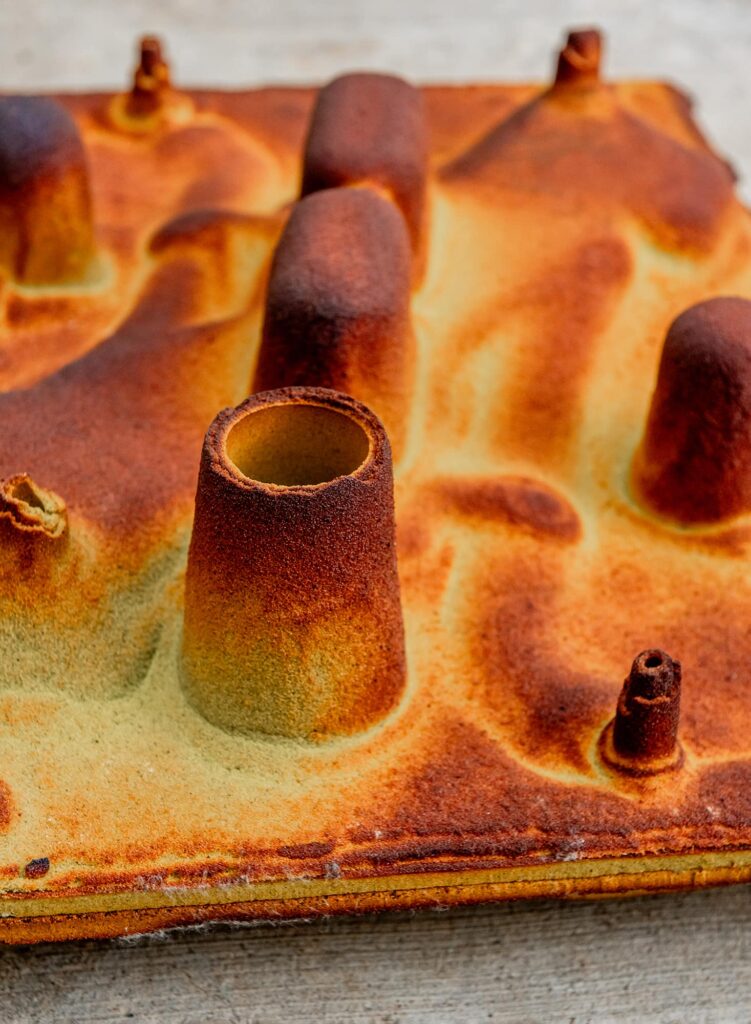
Compared to gray iron, which has graphite flakes that make it brittle, ductile iron offers far greater durability and flexibility, making it ideal for components that must withstand stress while remaining cost-effective to produce. The ductile iron casting process typically involves shell or sand mold casting, followed by heat treatment when required. Foundries such as Hiler Industries rely on advanced shell mold casting to deliver consistent quality for high-performance applications.

Types of Ductile Iron and Their Grades

When discussing the types of ductile iron, engineers usually classify them based on their microstructure and mechanical performance. The three most typical types are:

  • Ferritic ductile iron: Offers excellent machinability, high ductility, and good corrosion resistance. Often used in waterworks and automotive components where flexibility is key.
  • Pearlitic ductile iron: Characterized by higher tensile strength and wear resistance, making it suitable for gears, crankshafts, and heavy-duty machinery.
  • Austenitic ductile iron (ADI): Delivers outstanding toughness and fatigue resistance, with applications in high-stress automotive and industrial parts.

Grades of ductile iron are standardized by organizations like ASTM. For instance, ASTM A536 outlines grades such as 60-40-18 (high ductility), 80-55-06 (balanced strength and ductility), and 100-70-03 (high strength with lower ductility). These grades differ in chemical composition, particularly carbon and silicon content, which influence tensile strength, hardness, and elongation. Selection of a grade often comes down to balancing cost, machinability, and required mechanical performance.

Ductile Iron Mechanical Properties

The mechanical properties of ductile iron are what make it indispensable across industries. Its tensile strength can range from 60,000 to more than 120,000 psi, while elongation values vary from 2–18%, depending on grade. This balance of strength and flexibility outperforms gray iron, which typically fractures under impact.

Ductile iron hardness also varies by type, from relatively soft ferritic structures to harder pearlitic grades suitable for wear-prone parts. When compared to steel, ductile iron is generally less expensive to produce and easier to machine, yet it still provides excellent strength and fatigue resistance.

The ductile iron microstructure—spheroidal graphite in a ferritic, pearlitic, or mixed matrix—plays a central role in these properties. Foundries can control cooling rates and alloying elements to fine-tune hardness, density, and tensile performance, ensuring parts meet stringent specifications.

Ductile Iron Applications in Various Industries

The versatility of ductile iron explains its wide use in critical industries. In construction, ductile iron is used for building supports, heavy-duty frames, and reinforcement components, thanks to its ability to handle compressive and tensile loads without failure.

In automotive manufacturing, ductile iron for automotive parts includes crankshafts, suspension components, and steering systems. Its strength-to-weight ratio and machinability allow cost-effective production without sacrificing safety or durability.

For waterworks, ductile iron pipe and ductile iron pipe fittings remain the industry standard. Their corrosion resistance, pressure tolerance, and long service life make them ideal for potable water distribution and wastewater systems. Case studies from municipalities across the U.S. show that ductile iron pipelines often last more than 100 years in service, outperforming alternatives like PVC or steel in both longevity and reliability.

Conclusion

For materials engineers, manufacturing specialists, and industry decision-makers, knowing the types of ductile iron is critical. Each type and grade offer unique mechanical properties and performance advantages that influence design, cost, and long-term reliability.

From construction to automotive and waterworks, ductile iron continues to prove its value as a strong, versatile, and economical material. Its ability to balance strength, machinability, and durability makes it more adaptable than gray iron or even steel in many cases. As advances in metallurgy and sustainable foundry practices continue, ductile iron is poised to remain a cornerstone material for modern engineering applications.

Discover Quality Shell Casting and Molding Solutions

Contact us today to get started.