
Blog
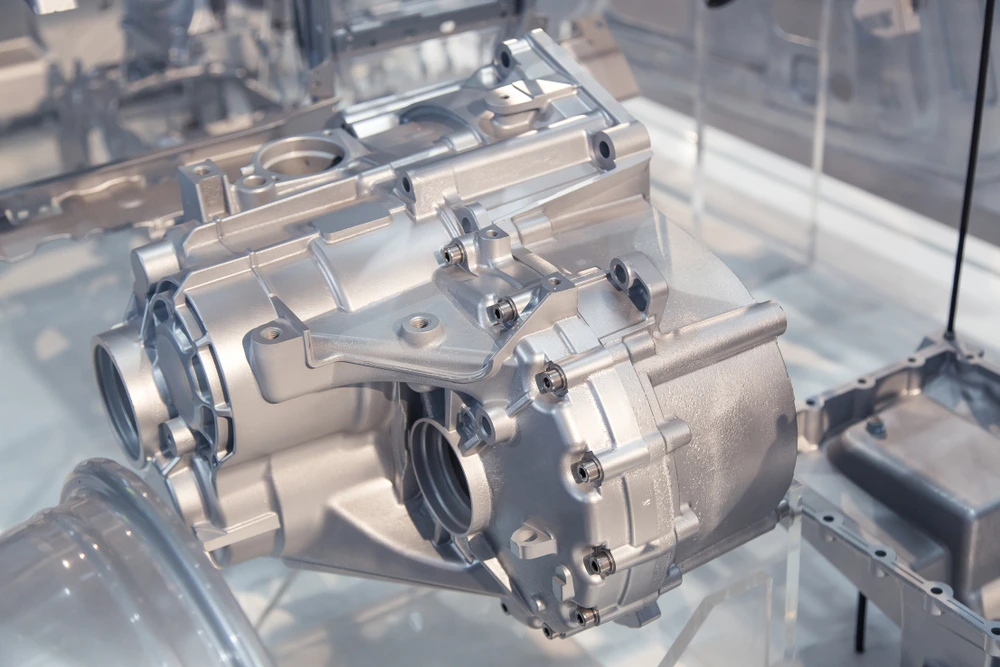
Iron Casting Design Best Practices
People have used metal casting for centuries because the process enables parts to come out of a mold as a single solid piece of metal. This typically means the finished metal part will be stronger and more reliable than one that was created by welding individual pieces together.
What is Ductile Iron Made Of?
Since its development in the late 1940s, ductile iron has become one of the most frequently used metals across industrial applications. This is due in large part to the strength and durability it provides, as well as the ease with which it can be cast and machined compared to other forms of cast iron. It ... What is Ductile Iron Made Of?
Benefits, Challenges, and Considerations of Reshoring Manufacturing
For manufacturers that rely on complex supply chains, sourcing components from overseas can create challenges beyond the quoted price of a part. Long transportation routes, changing lead times, inventory requirements, quality concerns, geopolitical uncertainty, and communication delays can all affect the true cost and reliability of offshore sourcing. These factors have increased interest in reshoring ... Benefits, Challenges, and Considerations of Reshoring Manufacturing
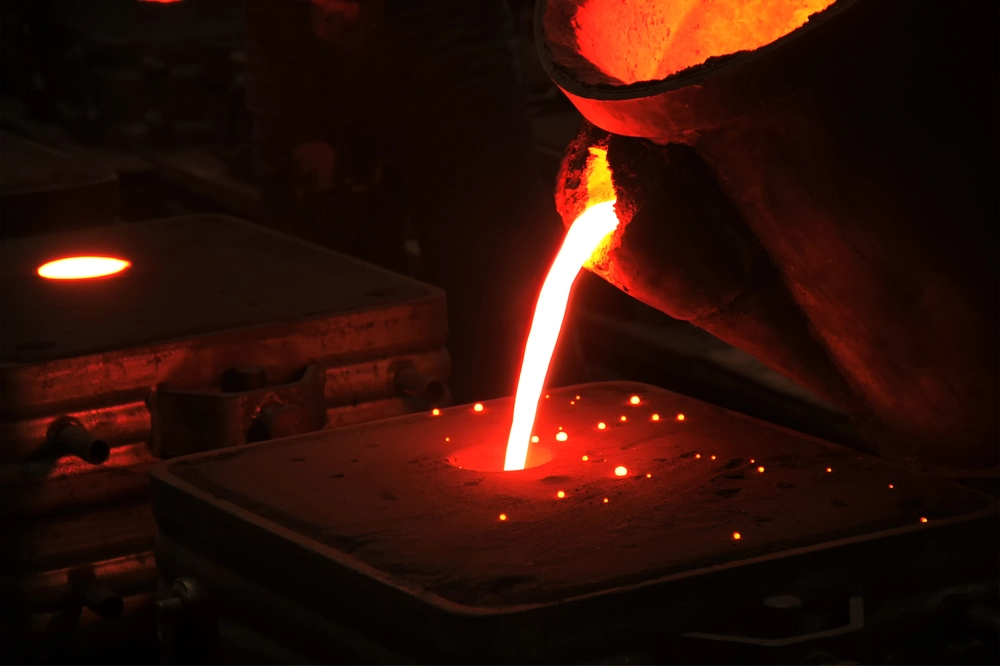
Types of Sand Casting
If something works, it’s hard to deny it. That’s why sand casting has been a preferred method of creating molds for metal castings for almost as long as people have been working with molten metal. The sand casting process involves using sand packed together tightly to form a mold around a metal part. When the ... Types of Sand Casting
APPLICATIONS AND USES OF GREY CAST IRON
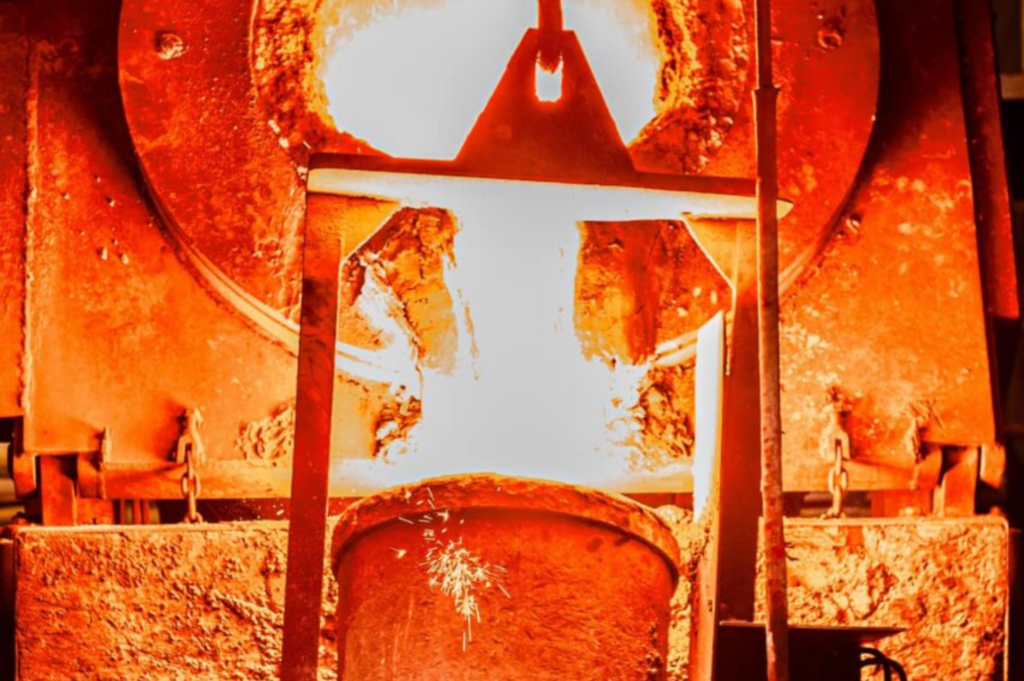
Grey cast iron has been a dependable material for industrial components for generations. Its combination of excellent machinability, vibration damping, compressive strength, thermal performance, and cost-effective production makes it suitable for everything from agricultural equipment and commercial vehicles to construction machinery and municipal infrastructure. In fact, grey iron is one of the most widely used ... APPLICATIONS AND USES OF GREY CAST IRON
What Is the Parting Line in Metal Casting?
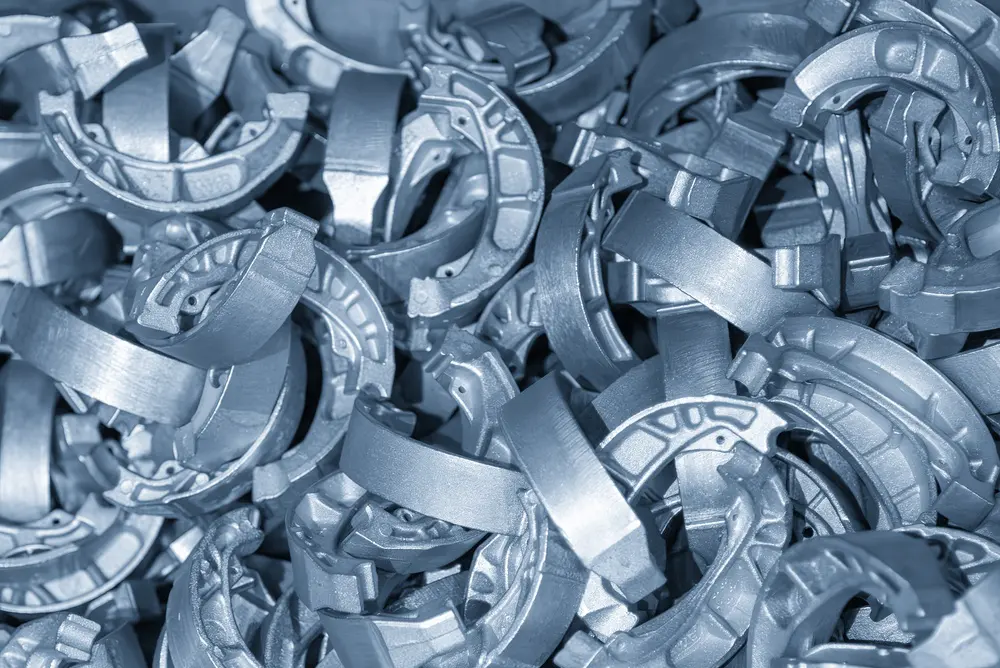
The parting line is one of the first features engineers consider when designing a mold, since it affects everything from pattern creation to casting quality. It marks where the two mold halves meet and separate, allowing the finished casting to be removed after the metal solidifies. While the seam left behind may appear minor, its ... What Is the Parting Line in Metal Casting?
EXPLORING SHELL MOLD CASTING APPLICATIONS
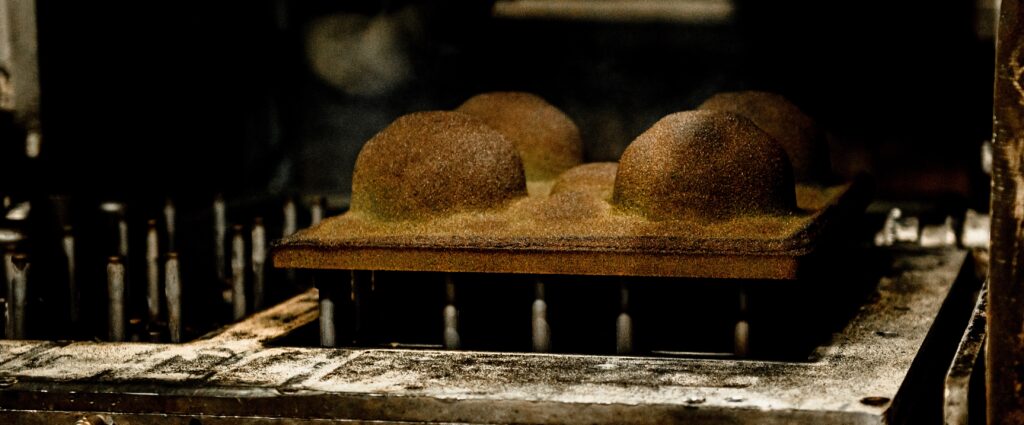
Manufacturers need a way to turn molten metal into parts that are both intricate and practically flawless. And that’s where shell mold casting applications come into play. This method uses thin, resin-coated sand shells to form rigid molds. When molten metal is poured in, it fills every cavity, producing complex parts with tight tolerances and smooth surfaces ... EXPLORING SHELL MOLD CASTING APPLICATIONS
APPLICATIONS OF DUCTILE IRON
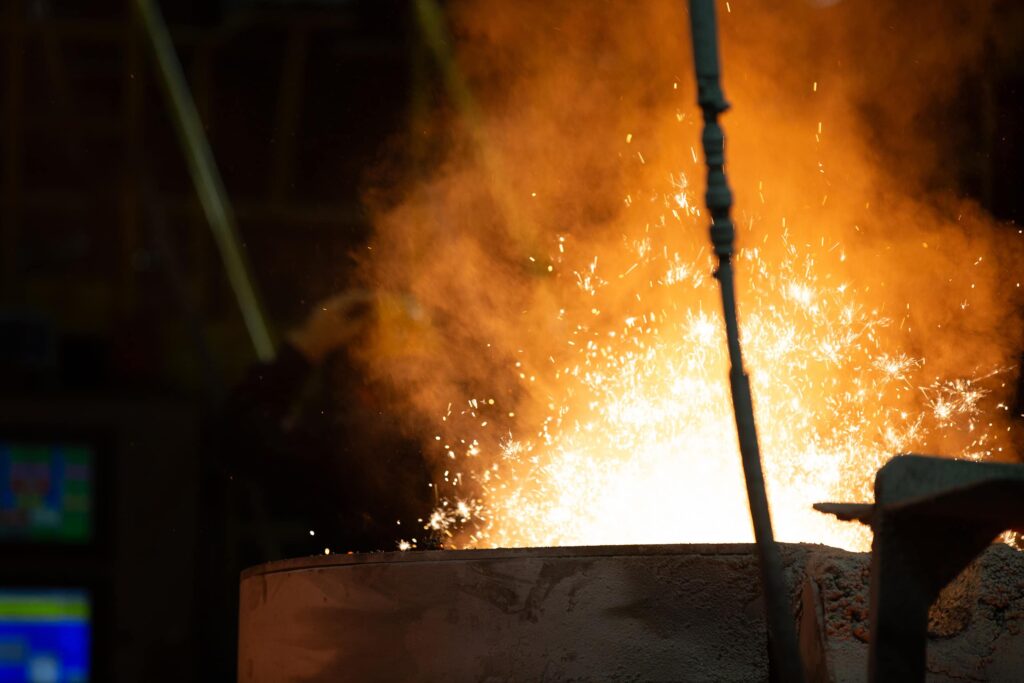
Ductile iron has earned a reputation as one of the most versatile engineering materials used in manufacturing and construction, along with infrastructure. Its unique combination of strength, toughness, wear resistance, and castability allows it to perform in demanding environments where components face heavy loads, repeated stress, harsh operating conditions, and other challenges. Originally developed in ... APPLICATIONS OF DUCTILE IRON
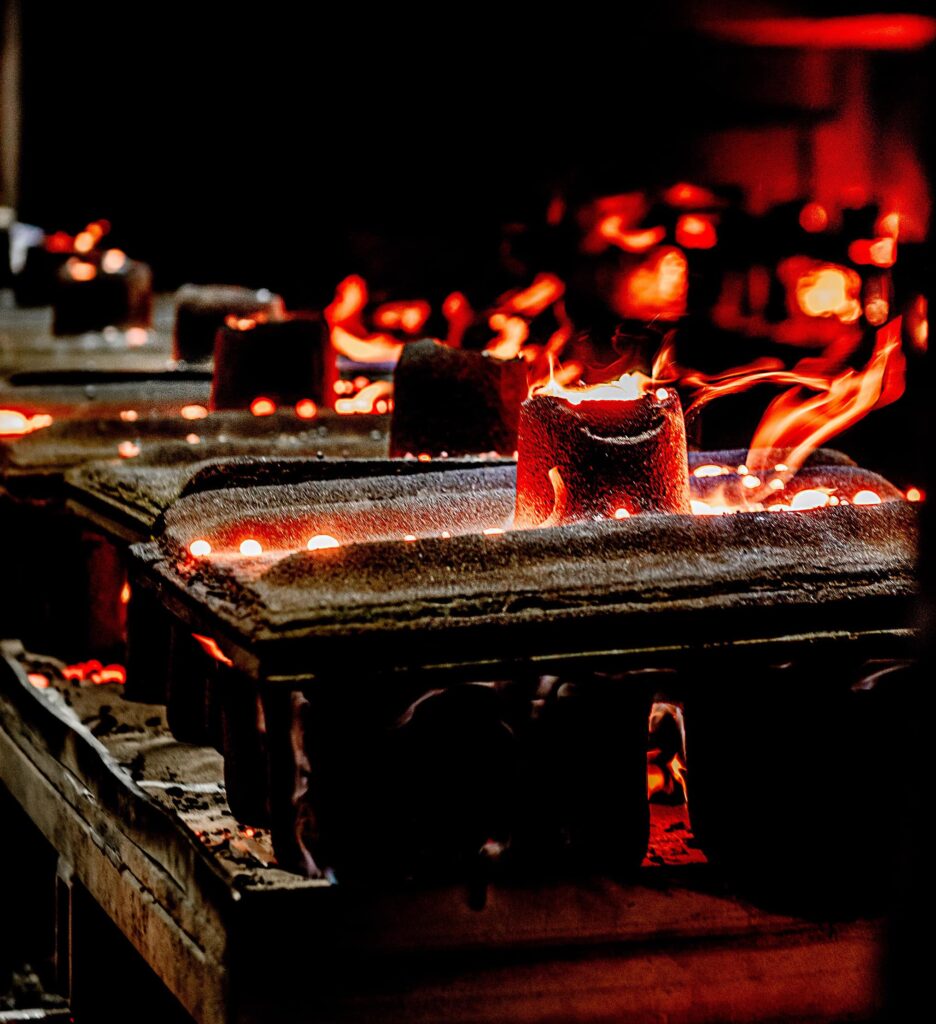
EXPLORING THE DIFFERENT TYPES OF IRON ALLOYS
Iron alloys sit at the heart of modern engineering, supporting everything from automotive systems to heavy industrial machinery. What makes them so valuable is their strength and the way they can be engineered and optimized for very specific performance needs. Iron alloys are combinations of iron with other elements – most commonly carbon, but also ... EXPLORING THE DIFFERENT TYPES OF IRON ALLOYS
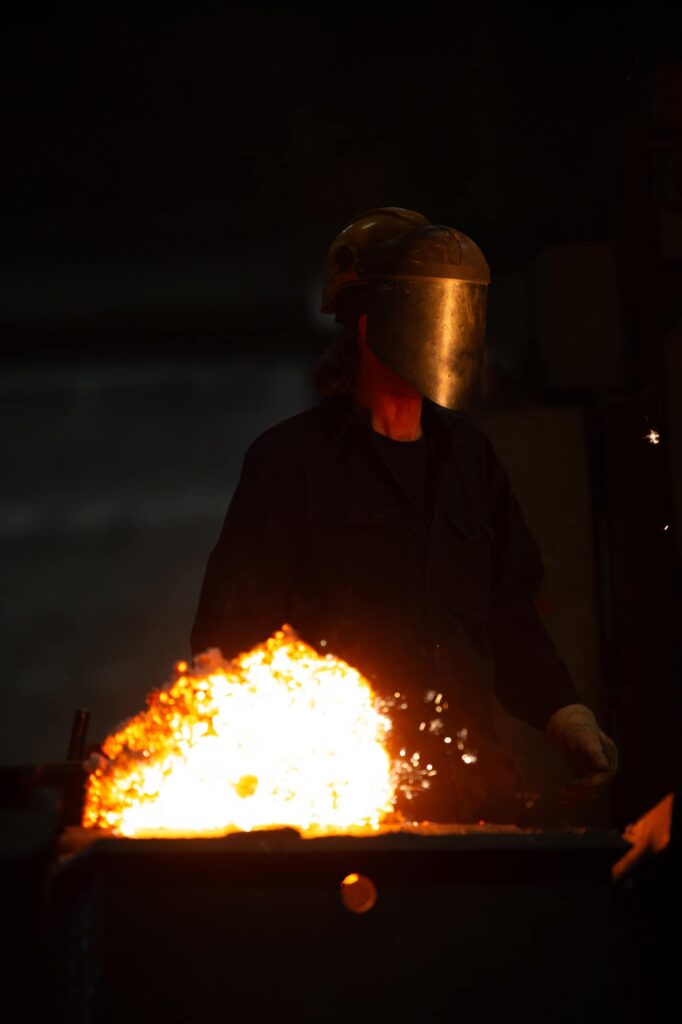
COMPARING COSTS OF DIFFERENT CASTING METHODS
Choosing a casting process is rarely about the lowest upfront price. The method used affects tooling cost, production speed, scrap rates, machining needs, and long-term reliability. Comparing costs of different casting methods is essential. A process that looks inexpensive at the quoting stage can become more expensive once finishing and quality control, along with potential ... COMPARING COSTS OF DIFFERENT CASTING METHODS
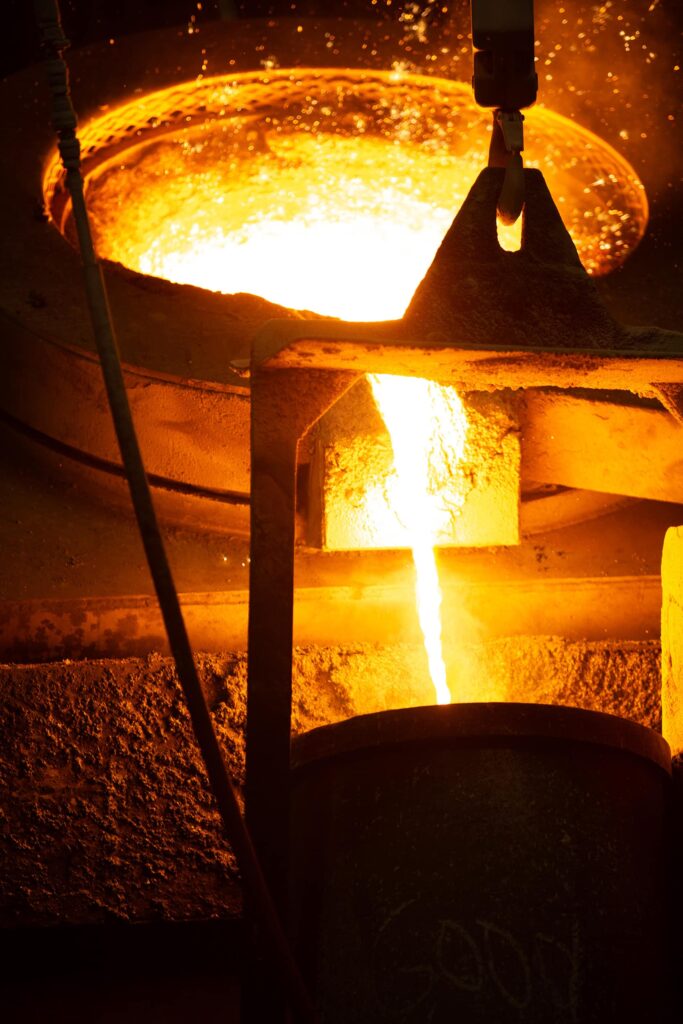
EXPLORING THE ADVANTAGES OF IRON CASTING
Iron casting remains one of the most widely used and enduring manufacturing processes in modern industry. It involves pouring molten iron into a prepared mold, where it solidifies into a final shaped component used in many applications: structural, mechanical, and high load. While the process itself is conceptually simple, the engineering behind it has evolved ... EXPLORING THE ADVANTAGES OF IRON CASTING
FOUNDRY CASTING 101
Foundry casting is among the most commonly used manufacturing methods for producing durable metal components. It involves pouring molten metal into a mold cavity that’s shaped like the final piece. Once the metal cools and solidifies, the casting is removed and cleaned, then prepared for use or additional machining. Cast components are used across industries: ... FOUNDRY CASTING 101