
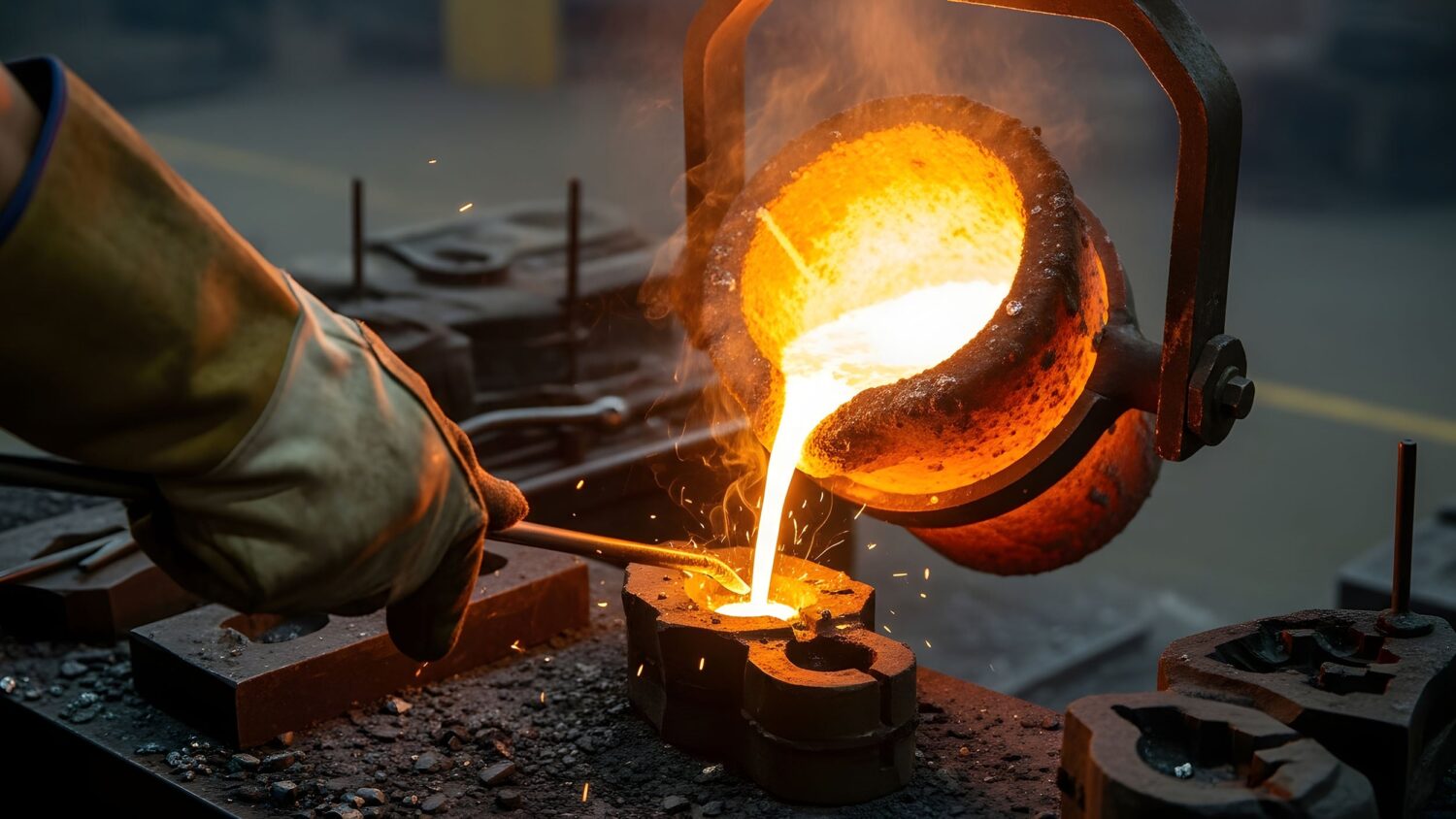
Manufacturers choose cast iron for their components because it offers superior strength and durability compared to other metals. Among all the variants of cast iron used in modern manufacturing processes, white cast iron stands out for being especially strong and durable. It’s been used since the 19th century to create a wide range of tools and parts because it can withstand a significant amount of wear while still remaining hard enough for specific heavy-duty applications.
White cast iron is used heavily throughout various industries, from mining to transportation and many others. At Hiler Industries, we use the shell mold casting technique to create white cast iron components with high degrees of accuracy even with tight tolerances. Read on to learn more about what makes this particular form of cast iron such an important material for manufacturing, and where it’s most likely to be found.
What Makes White Cast Iron Unique?
The microstructure of white cast iron contains heavy amounts of cementite as well as a matrix of either pearlite or martensite. This is achieved by cooling the molten iron fast enough that the carbon present in it cannot form graphite. Not only does this give the metal its signature whitish appearance, it also makes white cast iron the only form of cast iron in which carbon exists only in the form of carbide.
With carbide present within the metal’s microstructure, white cast iron therefore has excellent resistance to abrasion. However, this comes with the trade-off that the metal is incredibly difficult to machine. It often requires the use of diamond-tipped tools to machine it, and it resists deformation to such a degree that it offers little ductility compared to other forms of cast iron. Although white cast iron has relatively low resistance to impact, this quality can be improved with alloying.
The Advantages of White Cast Iron and Some Trade-Offs
Some of the many reasons why white cast iron is used so often in industrial applications include:
- Hardness: This gives white cast iron components exceptional wear resistance that makes it ideal for use in abrasive environments.
- Castability: Because it flows well, white cast iron features superior castability, making it capable of filling complex mold geometries with little trouble.
- Compression: White cast iron can resist compression to a significant degree, which is important for many heavy-duty use cases.
- Cost: Compared to other metals, white cast iron is more cost-effective.
Despite these advantages, however, it should be noted that using white cast iron comes with some trade-offs that may be too much for manufacturers to ignore. These include its brittleness, which limits the ductility of the metal as well as its performance in terms of impact resistance. The heavy concentration of carbide also means machining this metal may be more trouble than it’s worth, depending on the application.
Common Use Cases for White Cast Iron
The many advantageous qualities white cast iron provides make it a popular choice for creating components across a wide range of industries. Some examples of what white cast iron is used for in various sectors include:
- Manufacturing: White cast iron makes up certain tools and components used in the manufacturing sector. These include grinding wheels, mills, and metal forming molds. The wear resistance of this material makes it well-suited for components used to machine metal.
- Agriculture: Parts that make contact with the ground, such as plow shares and tillers, are often made with white cast iron due to the metal’s ability to resist abrasion caused by sandy soil and rocks.
- Petrochemicals: Pumping equipment used in the processing of petrochemicals typically feature white cast iron parts because the fluids that pass through them often contain high levels of sand and other abrasive elements.
- Transportation: The wear resistance and strength offers by white cast iron make it ideal for components used in railway and marine port applications.
- Building Materials: Crushing, grinding, and mixing aggregates used to create cement and other building materials call for components that can withstand heavy-duty use without wearing down or degrading. White cast iron delivers in that regard.
- Mining: From handling ore to milling raw materials, the mining industry depends on white cast iron for its durability and dependability under harsh conditions.
Comparing White Cast Iron to Other Forms of Cast Iron
Choosing the right materials for equipment is crucial for ensuring the highest levels of performance. In addition to white cast iron, manufacturers also have the option to use ductile cast iron or grey cast iron. However, these other two forms of cast iron don’t offer the same level of wear resistance that white cast iron does, meaning components made with them may wear out much sooner or break down under heavy use. On the other hand, white cast iron’s poor machinability may make ductile or grey cast iron a better choice for manufacturing components that don’t have such high requirements for wear resistance. This could help keep manufacturing costs down, depending on the application.
Choose Hiler Industries for Casting Expertise
Hiler Industries has been on the forefront of iron casting across a variety of industries for decades. Our team brings the expertise needed to help our customers choose the right metals and casting techniques for their specific projects. We use the shell mold casting technique, which is capable of creating molds that capture finer details and more-complex geometries than other methods. In addition, our commitment to quality means we hold ourselves to the highest possible standards, as evidenced by our ISO 9001 certification.
When you choose to work with Hiler Industries, you gain the peace of mind that comes with knowing your casting project is in good hands. From beginning to end, we leverage our experience and know-how to deliver the best, most consistent results no matter what materials or processes are used. To learn more about how we can lend our expertise to your next casting project, reach out and speak with a member of our team today.